
What is Liposome?

Liposomes have an amphiphilic structure where hydrophilic molecules (such as vitamins, enzymes, minerals, micronutrients, etc.) are trapped inside lipid bilayer vesicles, while lipophilic molecules can be incorporated into the liposome structure by binding to lipid-containing membranes.
What is Gluten?
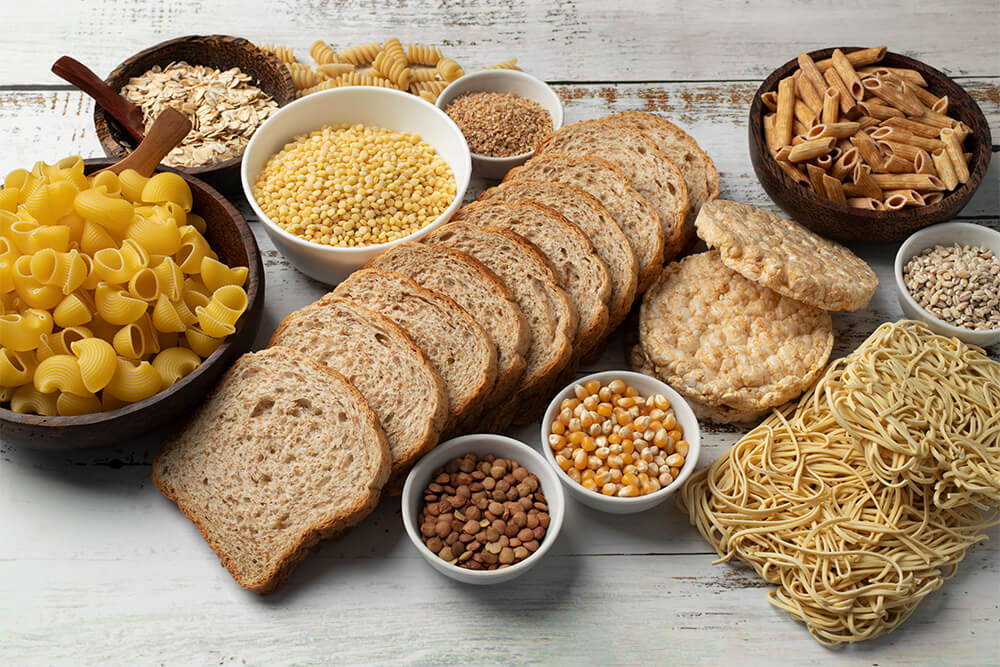
Gluten is a protein network found in products such as bread, biscuits, pasta, which are made using grains like wheat, barley, and rye.
How is the Structure of Liposome?
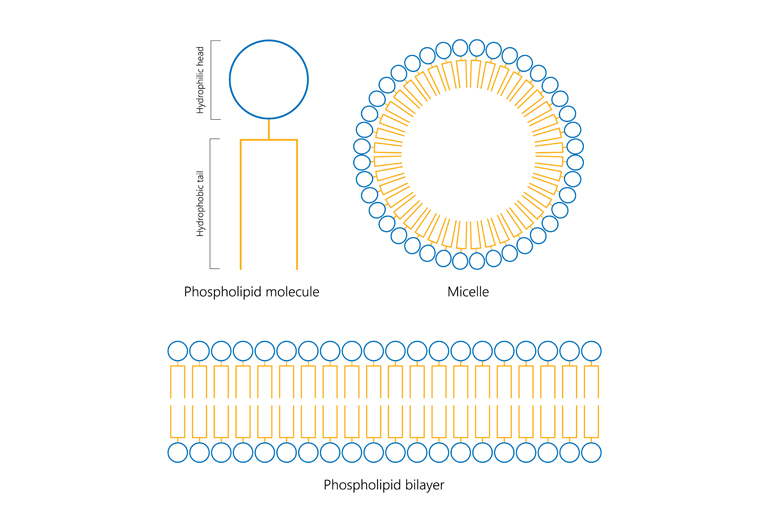
Liposomes have an amphiphilic structure where hydrophilic molecules (such as vitamins, enzymes, minerals, micronutrients, etc.) are trapped inside lipid bilayer vesicles, while lipophilic molecules can be incorporated into the liposome structure by binding to lipid-containing membranes.
What is the Function of Liposome?
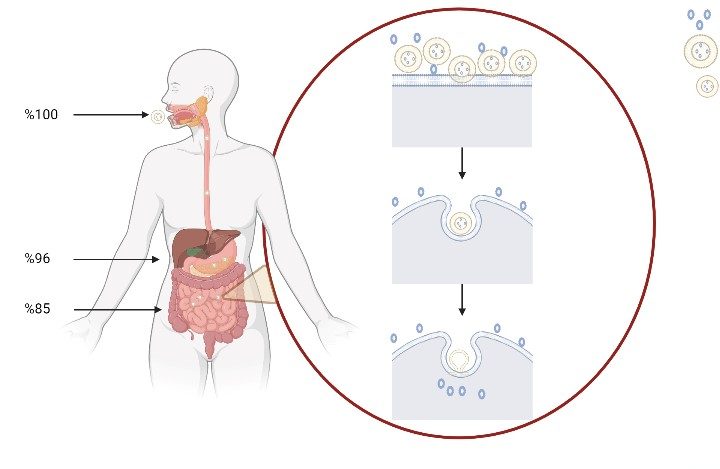
Liposomes are easily absorbed by the intestinal epithelial cells responsible for fat absorption. The encapsulated bioactive substances within liposomal vesicles can be absorbed without being affected by enzymes and pH changes in the gastrointestinal system
Structure of Gluten What is the Structure of Gluten?
The structure of gluten consists of two main protein components, gliadin and glutenin, which are insoluble in water. Gliadin is referred to as Prolamin and serves as the energy store of plants.
What are the Advantages of Liposomes?
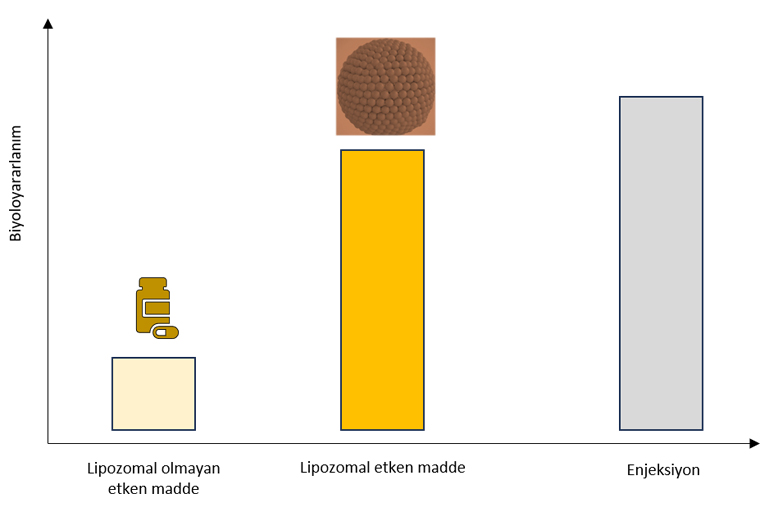
The chances of a non-liposomal active substance reaching the tissues through oral administration are around 10%. Therefore, the only way to benefit significantly from a non-liposomal active substance is through injection.
What is the Function of Gluten?

Gluten traps carbon dioxide and water. Thus, it provides structural resistance to the product and contributes to volume gain after fermentation. It also imparts a unique flavor to wheat-based foods.
Who can use liposomal products?

Anyone who needs the active ingredient in liposomal products can use them.
Why Does Gluten Cause a Problem?

Proline amino acid is indigestible in the human digestive system. In most people, this is not a problem, but in individuals with celiac disease, it triggers autoimmune reactions that can cause serious damage to the intestinal surface.
In which areas are liposomal active ingredients preferred?

Liposomal active ingredients are preferred in functional food production, pharmaceuticals, veterinary products, agricultural products, and cosmetic products sectors due to their positive effects