
What is Gluten?
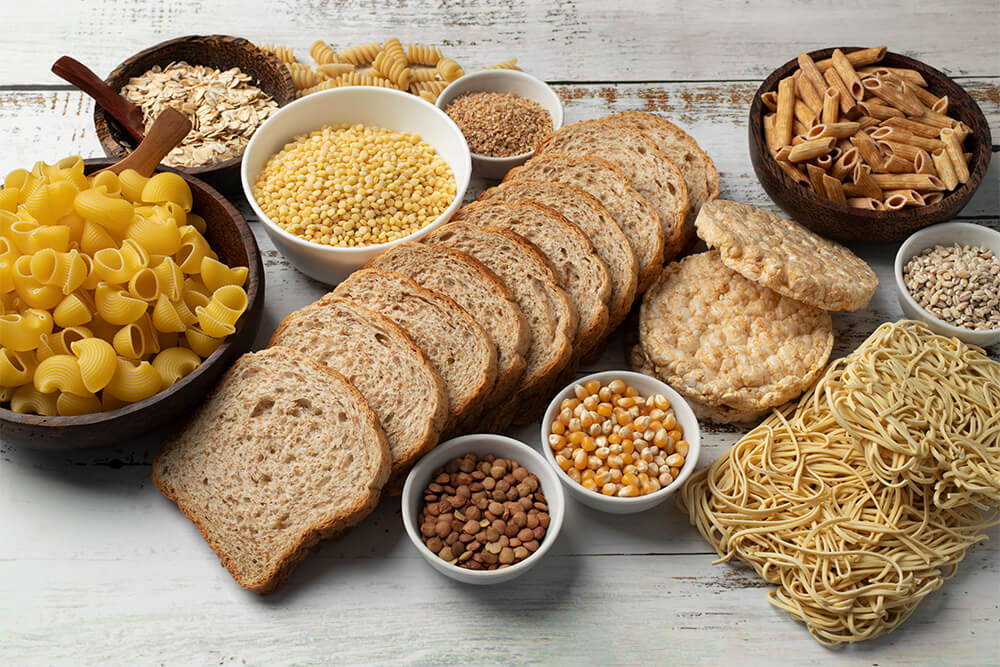
Gluten is a protein network found in products such as bread, biscuits, pasta, which are made using grains like wheat, barley, and rye.
Structure of Gluten What is the Structure of Gluten?
The structure of gluten consists of two main protein components, gliadin and glutenin, which are insoluble in water. Gliadin is referred to as Prolamin and serves as the energy store of plants.
What is the Function of Gluten?

Gluten traps carbon dioxide and water. Thus, it provides structural resistance to the product and contributes to volume gain after fermentation. It also imparts a unique flavor to wheat-based foods.
Why Does Gluten Cause a Problem?

Proline amino acid is indigestible in the human digestive system. In most people, this is not a problem, but in individuals with celiac disease, it triggers autoimmune reactions that can cause serious damage to the intestinal surface.
What Do Individuals with Gluten Intolerance Experience?

Undigested gluten structures can cause mental fog, headaches, and digestive issues (gas, bloating, etc.) in individuals with gluten intolerance. Following a gluten-free diet prevents the occurrence of the mentioned effects.