
What is Liposome?

Liposomes have an amphiphilic structure where hydrophilic molecules (such as vitamins, enzymes, minerals, micronutrients, etc.) are trapped inside lipid bilayer vesicles, while lipophilic molecules can be incorporated into the liposome structure by binding to lipid-containing membranes.
How is the Structure of Liposome?
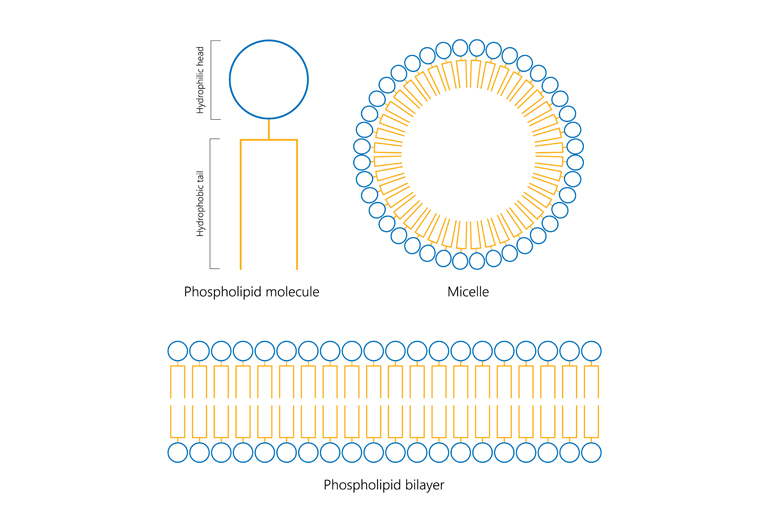
Liposomes have an amphiphilic structure where hydrophilic molecules (such as vitamins, enzymes, minerals, micronutrients, etc.) are trapped inside lipid bilayer vesicles, while lipophilic molecules can be incorporated into the liposome structure by binding to lipid-containing membranes.
What is the Function of Liposome?
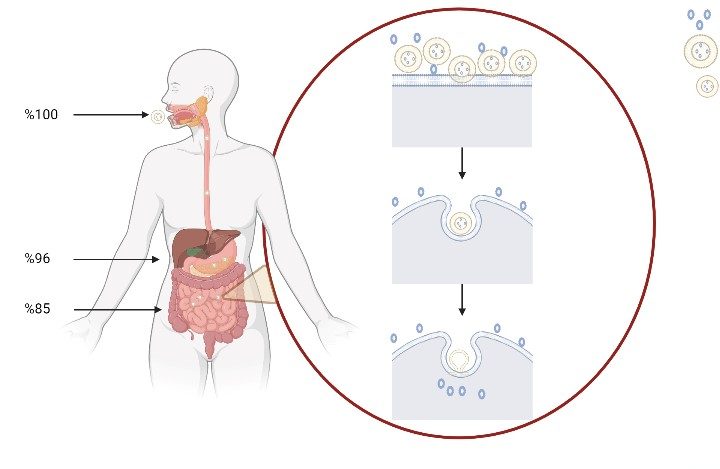
Liposomes are easily absorbed by the intestinal epithelial cells responsible for fat absorption. The encapsulated bioactive substances within liposomal vesicles can be absorbed without being affected by enzymes and pH changes in the gastrointestinal system
What are the Advantages of Liposomes?
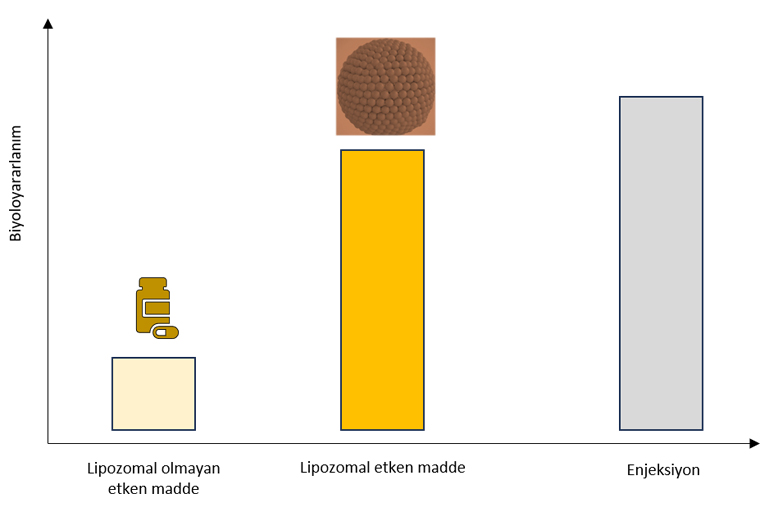
The chances of a non-liposomal active substance reaching the tissues through oral administration are around 10%. Therefore, the only way to benefit significantly from a non-liposomal active substance is through injection.
Who can use liposomal products?

Anyone who needs the active ingredient in liposomal products can use them.
In which areas are liposomal active ingredients preferred?

Liposomal active ingredients are preferred in functional food production, pharmaceuticals, veterinary products, agricultural products, and cosmetic products sectors due to their positive effects
What are the contents of liposomal products?

Liposomal products contain lecithin, a mixture of glycolipids, triglycerides, and phospholipids found in plant and animal tissues, as well as the active ingredient (vitamin, mineral, enzyme, etc.)